A thriller is a type of genre that is designed to create suspense within the viewers using suspenseful and sensational action. Thrillers are aimed to thrill the audience – that is to startle, shock and scare, but thriller doesn’t need disgust like the conventions of a typical horror movie.
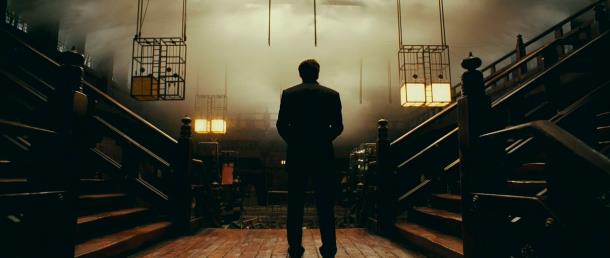
Psychology is the scientific study of the mind and behavior. It focuses more on a human’s mental behavior rather than its physical behavior.
I selected Psychological Thriller as I am interested in playing with people’s minds. My personal favorite genre too is psychological thriller because the suspense and drama till the climax without any kind of action or horror is just genius and the love for this genre came after watching movies such as Inception, Shutter Island and Get Out.
This particular sub-genre, PSYCHOLOGICAL THRILLER, heavily focuses on the mental levels of characters, and how danger is exposed to them mentally rather on a physical level. This sub-genre also incorporates elements of mystery, drama and often overlap with the horror genre. Characters of a psychological thrillers are no longer relied on the physical strength to battle their mentally unstable state there in. this sub- genre unusually consists of two or more characters preying up one another by playing devilish games or physically trying to destroy another mental state. The plot also usually plays with audiences minds, make them think something when rather it’s the other, which causes suspense within the audience.
The thriller genre is incredibly large and has a very broad category, just like the comedy genre. However many sub genres of a thriller film tend to overlap. For example Law Abiding Citizen is a psychological thriller, however many can argue that it is also a crime thriller, so there are many overlapping subgenres in a numerous amount of films.
Conventions of a Thriller • Low key lighting • Quick cuts • Shadows • Diegetic sound • Changes in the angle of shots • Diegetic sound of breathing • Black and white shots • Montage of shots • Protagonist is in the mercy of the Antagonist
LIGHTING: Low lighting is the most popular type of lighting used in psychological thrillers. This is used to create tension and suspense and is useful when trying to emphasis the abnormal behavior of a character
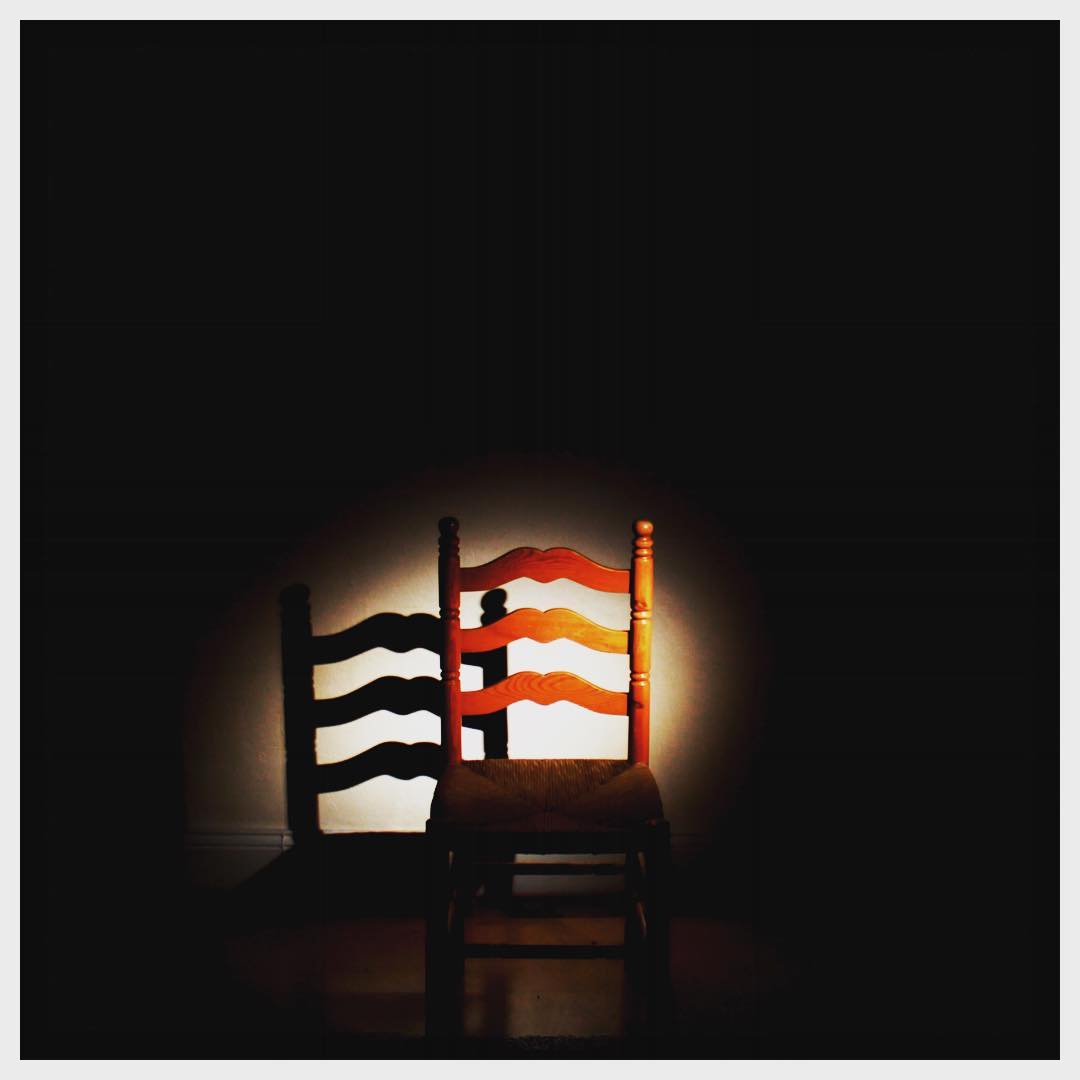
CAMERA: Quick camera movements create suspense as the audience suspect something is wrong and jump shots from one thing to another contribute to unsettling feeling the audience will experience. There will be a lot of close ups and extreme close ups of the protagonist character, this is often to show their emotions, also it can be used to focus on props to aid the narrative. The shots of the antagonistic character will be cut quickly and will aim to hide their identity, e.g. A shot of the back of them, a low key shot, the silhouette, or shadow of the character
ACTION: In the opening, action is prolonged to create suspense and anxiety. There is usually minimal conversation in the opening and at the end usual something bad happens which leads to the main characters dysfunctional behavior.
WHAT TO WEAR? Usually in the antagonist are dressed smart such as shirt and trousers and in some cases where the villain is female this rule still applies. In terms of race the villain is usually white for example in seven. The protagonist are usually wearing neutral clothing such as white which emphasis their innocence and purity.
MUSIC: High pitched sounds and the use of instruments such as pianos which create uncertainty and apprehension to the audience. Non diegetic is also used in psychological thrillers. Music is essential in any film to understand the mood of the characters and hint at a significant part in the film. In a thriller it adds suspense and tension. It will often start at a slow paves and the then build up to make the shots more dramatic for the audience. Thriller music typically is an eerie sound track leading to an event in the narrative, this aims to keep viewers on the edge of their seat and is used to create suspense.
Editing of a Thriller the director will include lots of jump cuts because there will be things happening that the audience is unaware of but is essential for the film to make sense. Cross cutting is a key point in editing as it is used to build suspense which is essential for a thriller. Continues editing is used to help the audience understand the film better.
Mise en scene: The location is important for the film because it help the audience establish the theme. Lighting is often low key. Costumes- antagonist will be in dark clothes if you see them. Protagonist will be in ordinary everyday clothes. Composition. Makeup and hair styles. Acting. Film stoke (Black & White, or color, Fine-grain or grainy.
 FAROOQ AHMED SHAIKH